
- InfoFor reservations On August Minimum One week Before Departure Sailing from Lombok to Komodo.
- Full SupportIf there are problems with ordering via our website, please contact us with the number listed above.
- AnnouncementKomodo adventure from Lombok to Komodo back to normal, Secure your Spot Now
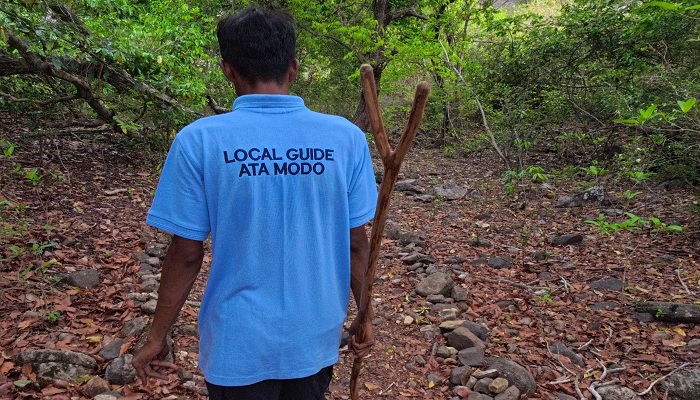
The Life of a Komodo Ranger: Guardian of the Dragon Islands
I still remember the first time I looked into the eyes of a Komodo dragon. The morning air on Rinca Island was heavy with mist and salt, and there he stood, still as a statue, ancient as the land itself. That moment changed everything. It was a realization of the profound responsibility I felt for this majestic creature.
For most people, the Komodo dragon island in Indonesia is a bucket-list destination,a wild dream for their Lombok Komodo tour or the main highlight of their unforgettable Komodo boat trip. But for me, and for those of us called Komodo Rangers, it’s not just a place. It’s home. Our lives are anchored in the rugged hills and deep currents of this National Park. Every day is a silent commitment to conservation.
1. The Calling of the Wild: Commitment and Training
Becoming a Komodo Ranger is not just about wearing a uniform,it’s about protecting life older than time itself. It is a rigorous process that blends ancestral knowledge with modern conservation science.
The Ranger’s Education
The journey to becoming a full-fledged ranger is extensive. It begins with local roots, often requiring candidates to hail from Flores, Sumbawa, or one of the villages near the park. The formal training, conducted by the National Park Authority, includes:
- First Responder Training: Mastery of emergency medical care and evacuation procedures, essential given the remote nature of the islands.
- Terrestrial Ecology: Deep dives into the park’s biodiversity, focusing not just on the dragons, but also on their prey (deer, buffalo, wild boar) and the unique drought-resistant flora.
- Dragon Behavior & Tracking: This is the core skill, taught through years of apprenticeship. It covers how to identify dragon age, gender, nesting sites, and, critically, how to predict their sudden movements.
- Maritime Patrol & Conservation Law: Rangers must also understand the marine environment, patrol protocols, and the legal framework for combating threats like illegal fishing.
Every day, we walk the trails of Rinca and Komodo Island, where these dragons live freely. We study their movements, protect their nests, and sometimes even save them from danger, maintaining the fragile balance. There are approximately 3,000 dragons across the park, spread between Komodo, Rinca, Gili Motang, and Nusa Kode. They move like ghosts through dry savanna and rocky hills,silent, powerful, untamed. To walk beside them safely is an art passed down from seasoned ranger to rookie.
2. A Day in the Life: From Dawn Patrol to Dusk Watch
Our day begins long before the boats carrying guests for their Komodo tour package arrive.
At sunrise, when the sky burns pink and gold over the Flores Sea, we patrol the trails. We check for fresh tracks, monitor known nesting sites (especially between August and November), and ensure no dragons are resting dangerously close to main path entrances.
By 8 AM, the first boats arrive,sometimes having sailed all night on a Komodo tour from Labuan Bajo, or even arriving via a transfer from a multi-day Lombok Komodo tour. Guests step off the deck in wide-eyed wonder, cameras in hand, hearts racing with excitement. We smile,because we know that feeling. We’ve seen the awe many times, but it never gets old.
Guiding the Journey: Safety and Storytelling
During the fast Komodo tour 1 day full trip, the comprehensive Komodo tour 3 days 2 nights, or the longer Komodo tour 4D3N, we lead guests through the dragon’s kingdom. We tell them the old stories: how the locals once called the dragonsora, meaning “land crocodile,” and how these magnificent creatures have ruled the islands for millions of years.
Every visitor walks strictly behind a ranger, guided by the famous Y-shaped wooden stick, or tongkat. This stick is simple, but powerful. It’s not a weapon; it is a cultural reminder of respect,for nature and for the delicate balance we must keep between human visitor and ancient predator.
3. Between Heat and Heritage: The Ranger’s Endurance
The equatorial heat on Rinca Island can reach a relentless 38 degress by noon. The ground cracks under our heavy boots, and the cicadas sing like a wall of fire. But still, we walk.
The work requires deep patience and physical stamina. We are constantly monitoring the dragons for signs of distress or unusual activity.
- Nesting Watch: Protecting nesting females is paramount. They dig decoy nests to confuse predators, and we must identify the real nest site to protect the eggs (which hatch after about eight months).
- Juvenile Protection: We frequently spot baby dragons running between the roots of trees. These juveniles spend their early years arboreally, escaping the greatest threat: cannibalistic adult dragons. We ensure tourists do not disturb these hidden nurseries.
The cycle of life here is raw and real, every creature plays its part. We’ve seen wild deer leap through the fields, boars rummaging for fruit, and sea eagles circling above the cliffs. When travelers join a Komodo sailing trip Indonesia, they often ask, “Don’t you ever get tired?” We smile again. How can you tire of something you love, something that has existed since the Pleistocene era? Every dragon we see is a memory, a living story we’ll share with the next traveler who steps off a Komodo luxury boat trip, eager to see where Komodo dragon live.
4. Protectors of a Fragile World: Threats and Conservation
Being a ranger means being both warrior and guardian. We protect not only the dragons but also the fragile ecosystem that supports them, the deer, the water buffalo, the birds, and even the smallest insects that keep the soil alive.
Battling External Threats
The threats to the park are constant, requiring relentless vigilance:
- Poaching: Though less common now, illegal hunting of the dragon’s primary prey (deer, boar) directly impacts the dragon population’s food source and health.
- Illegal Fishing: Outside the park’s protected zones, destructive fishing methods, including dynamite fishing, destroy the coral reefs which are the nurseries for many of the fish that sustain the island’s birds and other marine life.
- Wildfires: During the intense dry season, human carelessness or natural factors can trigger devastating fires, burning the savanna and destroying dragon habitat and nesting sites.
That’s why we work closely with local communities in Flores and Sumbawa, teaching children that these islands are sacred, that dragons are not monsters but brothers of the earth. We patrol by foot, sometimes by boat, covering miles under the burning sun. For travelers on a Komodo tour from Labuan Bajo, seeing a ranger might seem like part of the scenery. But for us, every day is a silent battle to preserve balance, supported by the revenue generated through ethical komodo tours.
5. The Sea and the Rangers: Guardians of the Blue
Our guardianship doesn’t end on land. The Komodo National Park encompasses over 1,700 square kilometers of marine area, making the water just as critical as the land.
Many of us also receive training to patrol the waters and assist the crew on Komodo boat trip vessels, watching over the coral reefs where manta rays and turtles glide like dream spirits beneath the waves. The health of the reefs directly impacts the health of the deer and therefore the dragons.
Travelers arriving via a Komodo tour from Bali often express amazement at the sheer diversity of the sea life here. Whether you are on a short Komodo tour 2D1N package or a multi-day Komodo sailing trip Indonesia, your ranger is often there to brief you about safety, conservation, and how to respect the creatures of both land and sea, especially at popular spots like Manta Point and Pink Beach. At night, when the stars spill across the sky like a million tiny promises, we rest on the deck, watching the universe breathe over the sleeping islands.
6. Beyond the Uniform: The Human Side of the Ranger
When our shift ends, we return to the small ranger huts, wooden walls, tin roofs, laughter carried by the sea breeze. This is where the uniform comes off, but the commitment remains.
We share stories, cook rice over fire, and talk about the travelers we met that day,their smiles, their curiosity, their awe. Sometimes we write letters home to our families in Flores, Sumbawa, or Lombok. Sometimes, we sit quietly, listening to the jungle sing. The Komodo Rangers are not just government employees; we are deeply connected locals.
Our hope is that every visitor, whether they came on a quick komodo tour from lombok or a flight-and-boat package, leaves with more than just a photograph. We want them to leave with a sense of the islands’ spirit and a commitment to their preservation. The Komodo Rangers are not heroes. We are witnesses,to a world that existed long before us and, God willing, will survive long after.
7. Partnership: Sailing with Jelogilis.com
Every great adventure to Komodo begins with a choice, and choosing the right operator matters immensely.
That’s why we, the rangers, are proud to work alongside companies that honor both the wild and the people who protect it. When you sail with operators that prioritize local employment and ethical practices, your investment directly supports the infrastructure and the staffing needed to maintain the park.
When you book your Komodo tour package, whether it’s a Lombok Komodo tour, a Komodo tour 3 days 2 nights, a Komodo tour 4D3N, or a rapid Komodo tour 1 day full trip, you are directly supporting the wages, training, and equipment of the rangers and local guides who keep these islands safe. Your visit becomes part of the protection.
8. The Dragon’s Legacy and the Future of Komodo
Sometimes, at sunset, I stand on the cliff of Rinca Island and watch the orange light stretch across the sea. The sheer scale of the landscape reminds me of the immensity of our task.
In the distance, the boats return to Labuan Bajo, their white sails glowing like wings. And I whisper,not to the sea, not to the sky, but to the dragons:
“We’re still here. We’re still watching.”
The Komodo dragons don’t answer, of course. They never do. But in their silence, I feel the heartbeat of the island, slow, steady, eternal.
The legacy of the Komodo dragon rests on the continuous dedication of the park authorities, the rangers, and the informed, responsible travelers who choose ethical komodo tours. By understanding and supporting the life of a Komodo Ranger, you become part of this essential, living legacy. Whether you begin your journey with a short flight for a komodo tour from bali or a long, adventurous sail, your choice matters.
Read also our Article: Padar Island Labuan bajo: Best Route for First Timers!

Maybe you are interested in reading the following article:
How to Get to Komodo Island from the UK – Travel Guide 2026
How to Get to Komodo Island from the UK – Complete Travel Guide 2026 Dreaming of seeing the legendary Komodo dragons in their natural habitat? If you’re wondering how to get to Komodo Island from the UK, this complete travel guide will walk you through everything — flights, routes, travel tips, and how to book... read more
Why Rinjani Mountain Should Be on Your Bucket List
Rinjani mountain Mount Rinjani is an active volcano located on the island of Lombok in Indonesia. It is the second highest volcano in the country, standingmountain at an impressive height of 3,726 meters (12,224 feet) above sea level. Mount Rinjani and its surrounding areas form the Rinjani National Park, which is known for its breathtaking... read more

Types of visas issued by the Indonesian government
Known as the world’s largest archipelago, Indonesia is an easily accessible destination for any tourist. While many tourists come to Indonesia for vacations, others come for business purposes. Whatever your reason, obtaining the correct Indonesian visa is crucial to ensuring your time here is worthwhile. Indonesia offers various visa types to choose fr... read more
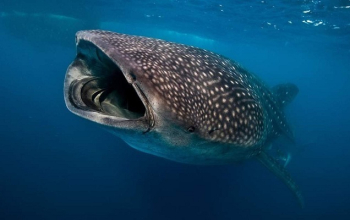

Full-day komodo tour Luxury Spee...
*Start Rp 1.500.000 / Pax
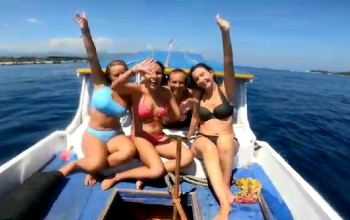
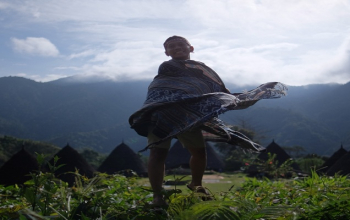
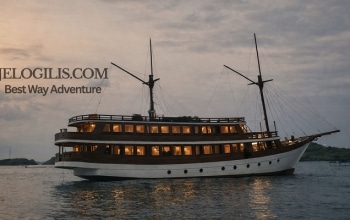
Komodo Tour Open Trip 4D3N with ...
*Start Rp 6.500.000 / Pax



Contact Us
If you have any questions, please contact us.
-
Hotline
6287-8774-25000 -
Whatsapp
087877425000 -
Email
jelogilis@gmail.com


No comment yet